
Focused Shockwave Therapy
Focused shockwave therapy (FSWT) is a non-invasive physiotherapy treatment designed to address chronic and complex musculoskeletal conditions.
It uses targeted soundwaves delivered deep into tissues to:
FSWT can reach deeper tissue layers, enabling treatment for conditions like tendinopathies, plantar fasciitis and calcifications.
Who might benefit?
Your physiotherapist may recommend FSWT if you’re experiencing:
- Chronic tendon-related pain (such as Achilles tendinopathy or tennis elbow)
- Plantar fasciitis (heel pain)
- Shoulder calcifications (e.g. frozen shoulder)
- Other musculoskeletal conditions that have not responded well to conventional approaches.

Request an appointment
Comparing ultrasound and focused shockwave therapy
While both FSWT and ultrasound therapy use energy to stimulate tissues, they work in different ways.
FSWT is a complementary option for certain chronic injuries, particularly where initial treatments have not been sufficient.
What to expect during treatment
- Assessment: Your physiotherapist will review your condition, medical history and treatment goals.
- Application: The shockwave device is positioned over the affected area, delivering focused acoustic energy in short bursts.
- Session length: Treatment sessions are carried out during a standard physiotherapy appointment.
- Treatment course: Your physiotherapist may recommend a series of about 5 sessions as part of your overall treatment plan.

Frequently asked questions
Yes, FSWT is a non-invasive approach that does not involve surgery or injections.
Focused shockwave therapy (FSWT) delivers concentrated sound waves into targeted areas, reaching deeper tissues than traditional ultrasound therapy, which tends to act more superficially.
Research and clinical use suggest FSWT may be suitable for a range of musculoskeletal concerns, including:
- Tennis or golfer’s elbow
- Rotator cuff–related shoulder conditions
- Hand, wrist and finger injuries
- Plantar fasciitis
- Heel spurs
- Bursitis affecting the shoulder, hip or heel
- Hamstring, patellar and Achilles tendon injuries
- Repetitive strain injuries
- Frozen shoulder recovery
- Delayed bone healing (fracture non-union)
- Localised muscle trigger points.
Yes. FSWT is often used alongside high intensity laser therapy (HILT), exercise-based rehabilitation and other physiotherapy treatments.
During FSWT, you may notice mild discomfort in the treated area. Your physiotherapist will adjust the treatment settings to match your condition and tolerance. It is generally recommended to rest the treated area for around 48 hours following the session.
A typical course involves approximately 5 sessions, usually delivered weekly. Your physiotherapist will review your progress and advise if additional sessions may be useful.
Your physiotherapist will assess your medical history, current condition and treatment goals before recommending FSWT. While FSWT is appropriate for many people with tendon or musculoskeletal conditions, some situations require caution. An informed consent process is carried out before treatment to confirm suitability.
Our Physiotherapists and Chiropractor
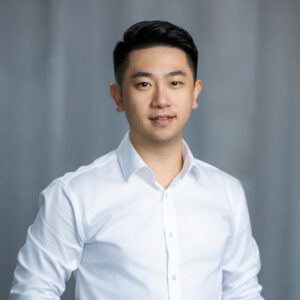
Yu-Tsung (Justin) Lin
Co-Founder and Senior Musculoskeletal Consultant

Sang Bin (Leo) Hyun
Senior Spinal Consultant
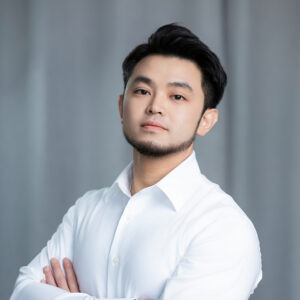
Chun Man (Kelvin) Choi
Physiotherapist and Accredited Exercise Physiologist

Dr Shen-Fung (Johnson) Huang
Chiropractor

Matthew Choi
Physiotherapist

Yuji Chen
Physiotherapist

Raymond Lin
Physiotherapist

Timothy Lo
Physiotherapist

Ryan Cheung
Physiotherapist

Jeanette Tseng
Physiotherapist

Jed Lam
Physiotherapist

Rebecca Ma
Physiotherapist

Jaewon An
Physiotherapist

Kason Hau
Physiotherapist

Dr Han-Hao Chang
Chiropractor
Disclaimer:
All information is general and not intended as a substitute for professional advice.
References:
- Schleusser, S., Song, J., Stang, F. H., Mailaender, P., Kraemer, R., & Kisch, T. (2020). Blood flow in the scaphoid is improved by focused extracorporeal shock wave therapy. Clinical Orthopaedics and Related Research, 478(1), 127–135. https://doi.org/10.1097/CORR.0000000000000993, [Accessed 25 August 2025]
- Crevenna, R., Mickel, M., Schuhfried, O., Gesslbauer, C., Zdravkovic, A., & Keilani, M. (2020). Focused extracorporeal shockwave therapy in physical medicine and rehabilitation. Current Physical Medicine and Rehabilitation Reports, 9, 1–10. https://doi.org/10.1007/s40141-020-00306-z, [Accessed 25 August 2025]
- Karimiahmadabadi, A., Sohani, S. M., Tabatabaei, A., & Limouei, G. (2025). The effects of focused extracorporeal shockwave therapy versus deep friction massage in supraspinatus tendinopathy: A randomised controlled trial. Journal of Bodywork and Movement Therapies, 42, 823–830. https://doi.org/10.1016/j.jbmt.2025.01.035, [Accessed 25 August 2025]